Steel and Coral: The Living History of the Western Province
Estimated word count: 1092 words
Estimated reading time: 8 minutes
Share This Article

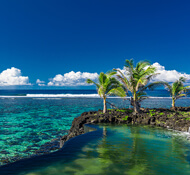
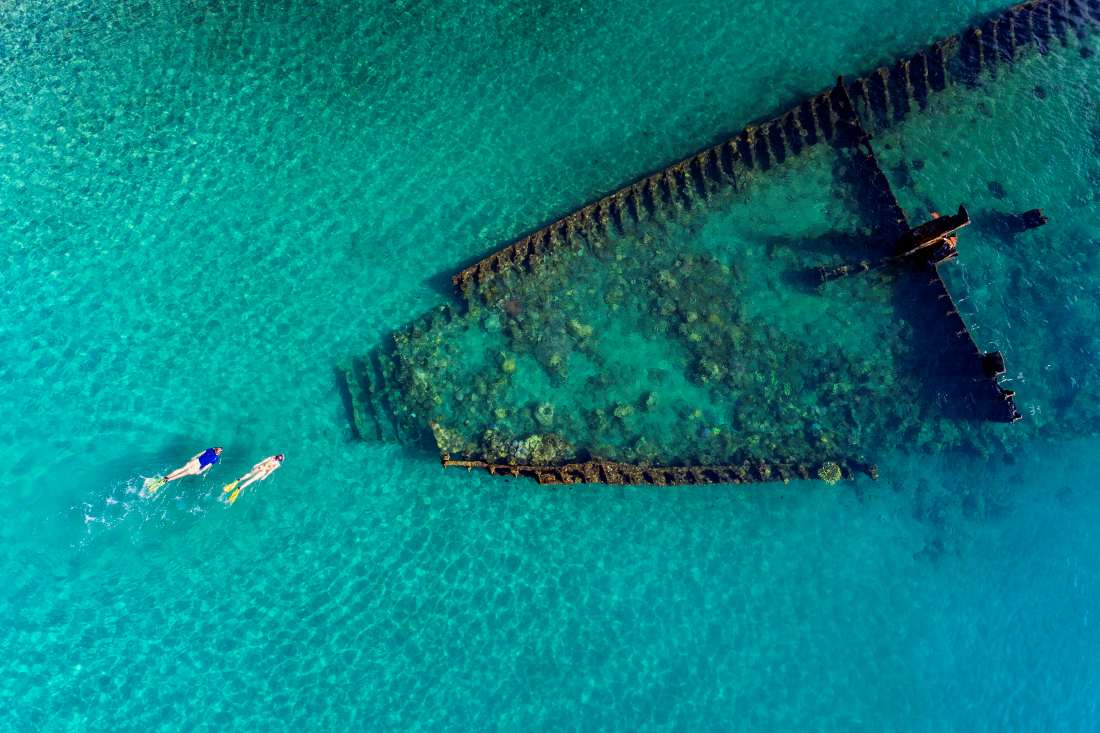
In the crystal-clear corridors of the Western Province, the boundary between human history and marine biology is uniquely blurred. For travellers, a visit to Gizo and Munda is not merely a tropical escape but a descent into the ‘Silent Fleet’ – a collection of World War II relics that the Pacific has spent eight decades reclaiming, meticulously and inexorably. The ‘Steel and Coral’ narrative defines this region, where the rigid, functional lines of 1940s military engineering have become the foundations for some of the world’s most complex artificial reefs. Here, the historical gravity of sunken Japanese freighters and downed Allied fighters is softened by a masterpiece of natural engineering, as vibrant gorgonian fans and soft coral colonies transform wartime steel into thriving sanctuaries of life. Here, nature softens our bloodiest times into sanctuaries for happy-go-lucky marine life.
Gizo’s Underwater Icons: The Toa Maru and Beyond
Gizo’s diving landscape is… shall we say, ‘anchored’ by the Toa Maru, a 140-meter-long Japanese transport ship wreck. Resting on its starboard side at a depth ranging from 7 to 37 meters, the vessel is remarkably accessible, allowing for a multi-level profile that suits various experience levels. For new divers in 2026, the experience is defined by the ship’s transition from a military asset to a thriving vertical reef. While the bridge superstructure has shifted over the decades, the interior holds remain wide open, revealing a submerged museum of wartime logistics. Exploring the silt-free corridors, visitors can still find stacks of sake bottles, medical supplies, and ammunition, while deeper sections house larger relics like motorbikes and Type 21 tanks.
Beyond the massive hull of the Toa Maru, the Gizo lagoon serves as a veritable underwater airfield, housing some of the most intact aircraft wrecks in the Pacific. The American Hellcat is a standout, resting upright in just nine meters of sunlit water. Its state of preservation is such that the cockpit instruments and serial numbers remain visible through a light dusting of coral growth. Conversely, the American Corsair offers a more dramatic narrative, lying in five sections at 27 meters and serving as a focal point for resident schools of reef fish and macro creatures. These sites exemplify the ‘coral-over-steel’ phenomenon, where the harsh remnants of the 1940s have been repurposed by nature into vibrant, high-biodiversity hubs.
Munda: The Jungle Airstrip and the Living Relics
Munda’s historical identity is inseparable from its aviation past, centred on the Munda Point Airfield. Originally constructed by Japanese forces under the cover of a coconut plantation, the site was the focus of intense conflict before being captured by Allied forces and transformed into a critical regional hub. Today, it remains a functional piece of living history as the modern Munda Airport, where the runway still follows the original wartime alignment! For heritage travellers, the jungle surrounding the airstrip hides a network of anti-aircraft guns and reinforced bunkers that are still accessible via local ‘Kastom’ tracks. These sites are managed by traditional landowners, ensuring that the exploration of these rusted jungle relics is conducted with the necessary cultural context and humility.
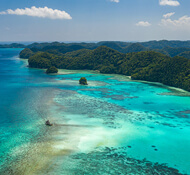
Beneath the surface of the Roviana Lagoon, Munda’s ‘Steel and Coral’ narrative continues with a collection of shallow aircraft wrecks that are easily accessible on a single tank. While the region is home to several fighter plane remains, the Bell P-39 Airacobra and the Douglas SBD Dauntless dive bomber are signature sites. Resting in approximately nine metres of water, these aircraft have been covered by colourful corals, creating a striking aesthetic. To complement the underwater exploration, a visit to the Peter Joseph WWII Museum is essential. This private collection, curated by Barney Paulson, houses thousands of artifacts recovered from the local jungle – ranging from dog tags of the fallen soldiers and medicine jars to helmets and weaponry – offering a raw and intimate perspective on the personal stories that define Munda’s wartime legacy.
Marine Biodiversity: The Resilience of the Reef
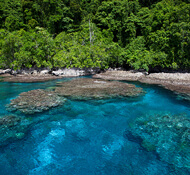
Beyond the significant historical weight of the encrusted steel, the Western Province serves as a masterclass in marine biodiversity and environmental resilience. As part of the prestigious Coral Triangle, the waters surrounding Gizo and Munda host a staggering density of life, with local guides often boasting that a single-tank dive can reveal over 270 different species of fish. The presence of the World War II wrecks has acted as a catalyst for this abundance, providing complex structural foundations that have been claimed by massive gorgonian fans, vibrant sponges, and sprawling hard coral gardens. These artificial reefs now support a complete ecosystem, ranging from the minute macro-life – such as pygmy seahorses and nudibranchs tucked into the rusted crevices – to the patrolling pelagics that define the region’s high-energy sites. At locations like Grand Central Station, the convergence of nutrient-rich currents draws in massive schools of barracuda, trevally, and grey reef sharks.
Planning & Tips for Diving Enthusiasts in Solomon Islands
The optimal window for diving in the Western Province is the dry season from May to November, when underwater visibility often exceeds 30 metres and the surface conditions are at their most predictable. In the 2026 market, standard daily dive packages – inclusive of two boat dives and a traditional island lunch – typically begin at approximately AU$220, though multi-day bundles often provide additional value for extended stays. For the underwater photographer, the mid-morning light is particularly effective for capturing the contrast between the dark, silhouetted steel of the ships and the luminescent colours of the encroaching reef, while ensuring your travel insurance specifically covers remote evacuation.
The 2026 Base: Gizo’s Newest Gem
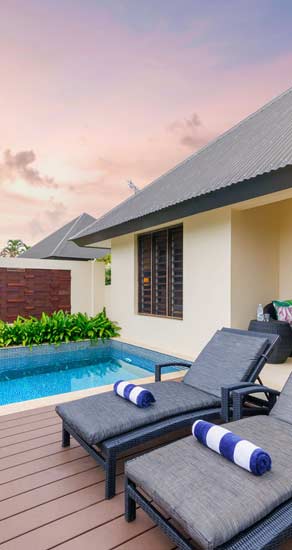
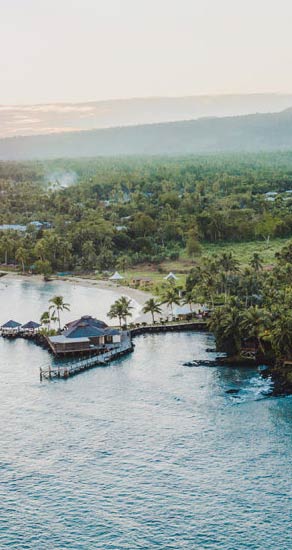
The 16-room Zaru Hotel opened in Gizo in February, offering a more sophisticated, ‘city-standard’ experience right on the Gizo waterfront. The facility is equipped with modern essentials like Starlink internet connectivity and professional conference spaces, making it an ideal anchor for both heritage divers and the growing segment of ‘bleisure’ travellers (really, it’s like a thing now!).
Go and explore Solomon Islands’ ‘Steel and Coral’ sites with the confidence that a high-standard, air-conditioned retreat awaits them at the end of each expedition at any of our Solomon Islands resorts and hotels.
Plan Your Solomon Islands Adventure with Bespoke Holiday Deals
You can check out our latest Solomon Islands Holiday Packages to secure your spot for the 2026 ‘Steel and Coral’ season or browse our curated list of Gizo and Munda resorts to find the perfect base for your heritage exploration. If you are ready to create something unique, talk to our South Pacific Specialists today to build a tailormade Solomon Islands itinerary that balances wartime history, world-class diving, and total relaxation – call us on 1300 991 751!
More Travel Blog Articles
To Hapi Isles We Go: Solomon Islands Pushes For Epic Adventure Holidays
Solomon Islands’ tourism landscape is entering this decade’s most exciting phase – its officially retiring…
-

-
7 Night's Stay

-
Breakfast

-
Wi-Fi

-
Return Transfers

Click Here
-
-
-
7 Nights Stay
-
Breakfast
-
Cultural Tour

-
Return Transfers
Click Here
-
-
-
5 Night's Stay
-
All Meals
-
4-Hour Fishing Tour

-
Return Transfer
Click Here
-
-
-
5 Night's Stay
-
Booked Buffet Bfreakfast
-
Water Sports

-
Return Transfers
Click Here
-
-
-
5 Night's Stay
-
Meals
-
15-Min Massage

-
Return Transfers
Click Here
-
-
-
5 Night's Stay
-
Welcome Drink

-
Tropical Breakfast
-
Return Transfers
Click Here
-