Pristine Paradise: Why Forbes Ranks Palau in the Top 25 for 2026
Estimated word count: 1193 words
Estimated reading time: 10 minutes
Share This Article

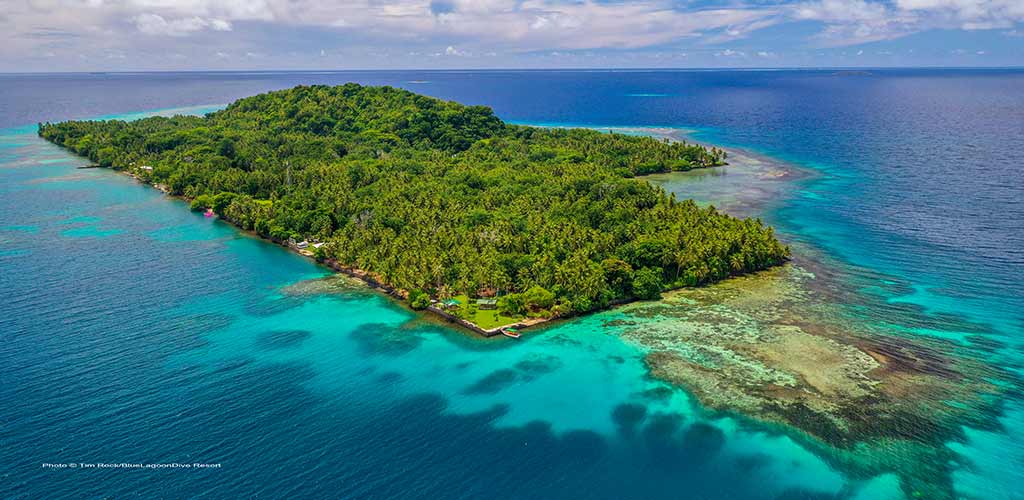
Forbes has named Palau as one of the “Best Places to Travel in 2026,” highlighting the Micronesian archipelago for its world-leading conservation and unparalleled marine biodiversity. We are breaking down this accolade to explain how Palau has balanced exclusive tourism with environmental integrity. For the 2026 traveller, this recognition confirms Palau as the year’s most essential destination for those seeking an immersive, high-value escape in a protected ecosystem.
The Forbes Accolade: A Commitment to Preservation
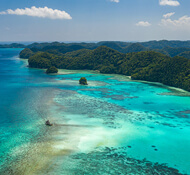
The inclusion of Palau in the Forbes Top 25 Best Places to Travel 2026 marks a significant milestone for the Pacific region. Unlike traditional luxury destinations, Palau is recognized for its “Pristine Paradise” model – a strategic approach that prioritizes the health of the Rock Islands and its reefs over mass-market volume. This recognition reflects a global shift toward intentional travel, where the value of a destination is measured by its preservation efforts. For the visitor, this translates to uncrowded dive sites, a pristine terrestrial environment, and a tourism infrastructure designed to reward those who travel with care.
The Ethical Arrival? What is the Palau Pledge and Ol’au Palau?
Palau’s entry process remains the most progressive in the world, centered on the Palau Legacy Pledge. Upon arrival, every international visitor must sign an environmental oath stamped into their passport, a mandatory promise to the children of Palau to act in an ecologically and culturally responsible manner. This initiative is the first of its kind to integrate conservation directly into a nation’s immigration policy.
In 2026, this commitment is further enhanced by the Ol’au Palau initiative. This digital platform rewards travellers for sustainable behaviours – such as using reef-safe sunscreen, supporting local businesses, and avoiding single-use plastics – with “points” that unlock exclusive cultural experiences. These rewards provide access to unmarked hiking trails, secret caves, and community events that were previously reserved for locals. This gamified approach to sustainability ensures that the more respectfully you treat the island, the deeper your access to its hidden wonders becomes.
Undersea Icons: The Blue Corner and Jellyfish Lake
The core of Palau’s appeal lies in its submerged topography, most notably the Blue Corner. Often cited as one of the world’s premier dive sites, it is known for its high-current pelagic action. Divers use reef hooks to secure themselves to the edge of the abyss, observing schools of grey reef sharks, barracuda, and Napoleon wrasse in a dramatic display of marine life. This site remains a benchmark for Blue Corner diving Palau, offering a technical and visceral experience that defines the region’s underwater reputation.
Similarly, Jellyfish Lake remains a global rarity, allowing guests to swim with millions of stingless golden medusae in a marine lake isolated from the ocean for thousands of years. While population levels are monitored closely for environmental health, the 2026 status confirms that the lake is open for well-managed snorkeling tours. These sites represent the peak of Palau’s natural heritage, where strict environmental regulations have ensured that the biodiversity remains intact for the modern explorer.
Accommodations: Refined Bases for Palau Holidays 2026
To support this high-value model, Palau offers a selection of refined, smaller-scale accommodations that align with the island’s sustainable ethos:
- Beluu Sea View Resort: Located in Meyungs, this contemporary property offers 16 air-conditioned rooms with expansive views of the Pacific and the bridge to Koror. It serves as a polished, central hub with an on-site restaurant and easy access to the main tourism infrastructure.
- Storyboard Beach Resort: Situated on the historic island of Peleliu, this family-owned operation consists of traditional wooden cottages on a beachfront property. It is designed for those who wish to maximize their diving time while being steps away from the island’s somber WWII relics and quiet rainforest trails.
- Palau Caroline’s Resort: Nestled on Ketund Hill, this resort features eight private bungalows crafted from local mahogany and bamboo. Each bungalow offers sweeping views over the Rock Islands and the surrounding jungle, providing an atmosphere of understated seclusion and authentic island serenity.
Terrestrial Heritage: Monoliths and WWII Scars
Beyond the shoreline, Palau’s interior offers a somber and mysterious counterpoint to its vibrant reefs. On the northernmost point of Babeldaob Island lie the Badrulchau Stone Monoliths, an archaeological site dating back to approximately 161 CE. These 52 massive basalt megaliths, some weighing over four tons, are arranged in two rows overlooking the ocean. While their exact origin remains a subject of archaeological debate, local oral tradition suggests they served as the foundation for a grand bai (meeting house) constructed by deities. For the 2026 traveller, the site offers a quiet, high-elevation perspective on Micronesian history, far removed from the more frequented coastal hubs.
Further south, the island of Peleliu serves as a preserved open-air museum of the Pacific Campaign. The island was the site of one of the most intense battles of World War II, and today, the jungle has partially reclaimed the rusted remains of Japanese Zero planes, US Sherman tanks, and hidden artillery emplacements. Visitors can explore the Thousand Man Cave, a complex network of hand-dug tunnels used by Japanese forces, and visit the WWII Memorial Museum to gain a professional and respectful understanding of the island’s wartime legacy.
Natural Wonders: The Ngardmau Circuit
For those seeking terrestrial adventure, the trek to Ngardmau Waterfall is the island’s premier inland experience. As the tallest waterfall in Micronesia, it cascades nearly 30 metres over a sheer basalt face into a series of natural pools. The 30-minute hike to the falls is an immersive botanical journey through rainforest and ancient bauxite mining relics. In 2026, the trail remains a well-maintained circuit, allowing hikers to swim in the cool freshwater pools at the base—a refreshing alternative to the salt-heavy environment of the Rock Islands.
Logistics for the Palau Holidays 2026
- The Travel Window: The optimal time to visit Palau is during the dry season, from December to April. During these months, underwater visibility often exceeds 30 metres, and the seas are at their calmest, facilitating access to the outer reefs of Peleliu and the Blue Corner.
- Administrative Requirements: Remember that the Palau Legacy Pledge is a mandatory entry requirement. Ensure you have downloaded the Ol’au Palau app prior to arrival to begin tracking your sustainability points for exclusive rewards.
- Currency and Connectivity: Palau uses the US Dollar (USD). While high-speed internet is available in Koror, connectivity in more remote areas like Peleliu can be intermittent—an intentional feature of the island’s “unplugged” luxury model.
The Luxury of Preservation: Design Your Palau Expedition
Palau’s inclusion in the Forbes Top 25 for 2026 is a definitive acknowledgement that the most valuable travel experiences are those that prioritize ecological integrity. Whether you are secured to the reef edge at the Blue Corner or standing among the silent megaliths of Badrulchau, the experience is defined by a sense of protected rarity. Palau does not merely offer a holiday; it offers a partnership in conservation. Are you ready to experience Forbes’ top-ranked destination for 2026? Our specialists curate all Palau itineraries in-house, managing your ‘Ol’au Palau’ registrations and logistics for the outer islands. Talk to us today to begin planning your journey to Palau with our Micronesia Hot Deals, or call us now on 1300 991 751!
More Travel Blog Articles
Wyndham Garden Wailoaloa Beach: Gateway to Fiji’s Adventure!
For adventurers, families and honeymooners looking to explore Fiji’s remote islands, the Wyndham Garden Wailoaloa…

-

-
7 Night's Stay

-
Breakfast

-
Wi-Fi

-
Return Transfers

Click Here
-
-
-
7 Nights Stay
-
Breakfast
-
Cultural Tour

-
Return Transfers
Click Here
-
-
-
5 Night's Stay
-
All Meals
-
4-Hour Fishing Tour

-
Return Transfer
Click Here
-
-
-
5 Night's Stay
-
Booked Buffet Bfreakfast
-
Water Sports

-
Return Transfers
Click Here
-
-
-
5 Night's Stay
-
Meals
-
15-Min Massage

-
Return Transfers
Click Here
-
-
-
5 Night's Stay
-
Welcome Drink

-
Tropical Breakfast
-
Return Transfers
Click Here
-